
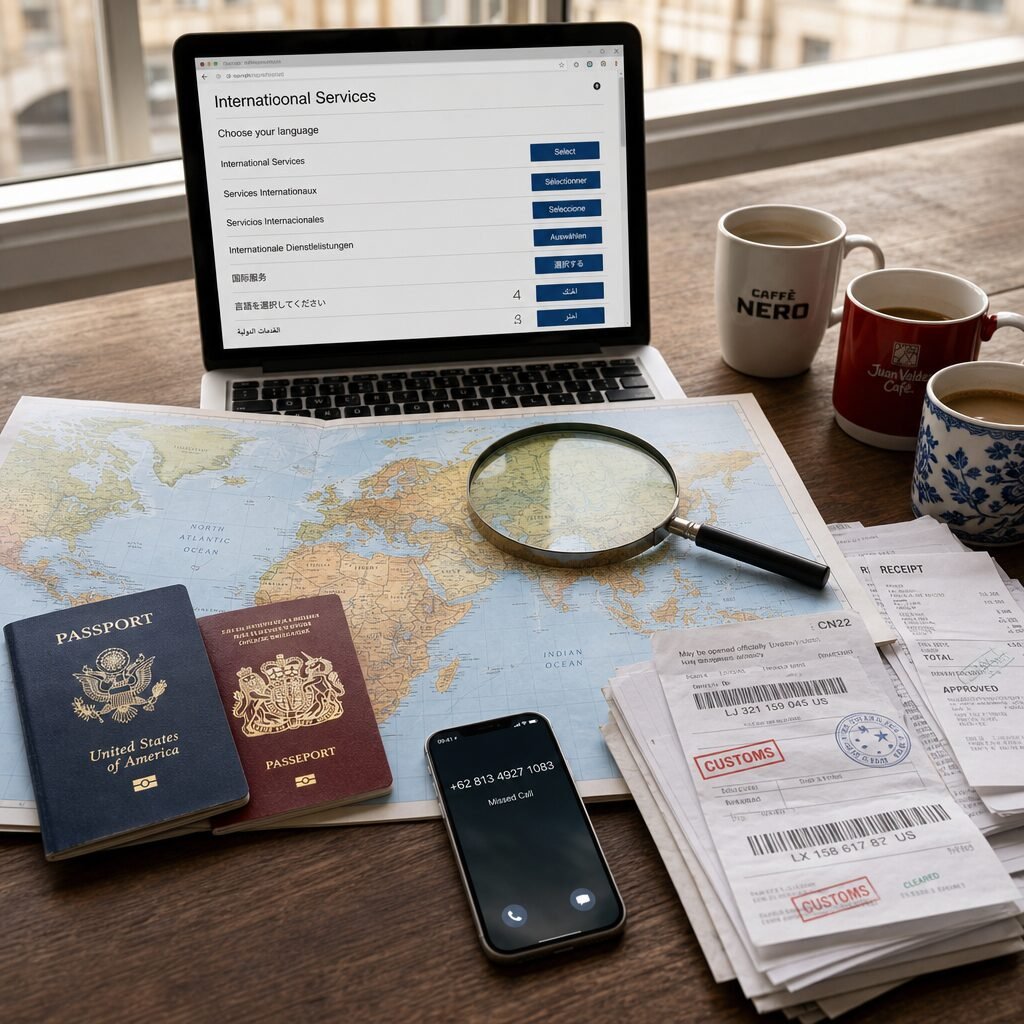
When ‘International’ is a Brand, Not a Promise
The word “International” is seductive: it implies scale, credibility and sophistication. Yet when slapped on a website, a certificate or a job title it often masks poor quality or outright risk. The first red flag is semantic inflation — grand language without concrete evidence. If an outfit describes itself as an “international leader” but provides no named partners, no verifiable client lists and no localised case studies, treat the claim as marketing, not assurance.
Watch for vague geography. A provider that says it operates “across Europe and Asia” but lists only a PO box or a single generic contact form is suspect. Genuine international operations show distributed teams, multiple currency or language options, and region-specific terms or policies. Where that detail is missing, expect hidden costs, jurisdictional surprises and service gaps that emerge only after you’ve committed time or money.
Language, Localisation and the Myth of Global English
Poor quality international services often reveal themselves in language choices. A superficially bilingual website with automated translations, inconsistent terminology and untranslated legal pages is a red flag. This is particularly pernicious when it concerns contracts, compliance documents or product specifications — mistakes in translation have legal and operational consequences.
True international quality shows cultural competence: idiomatic copy adapted to the locale, local currency and tax information, and customer support hours matched to local timezones. If a provider responds with templated, generic English to nuanced regional queries, they may lack the local expertise you need. Ask for examples of locally adapted work and verify them with native speakers or local references.
Credentials, Accreditations and How to Verify Them
Certificates and badges can be helpful, but they are also easily fabricated or misrepresented. Red flags include accreditation seals with no clickable links, organisations that are unknown in their claimed sector, or certificates with no serial numbers or verifiable registries.
Always follow the breadcrumb: click the accreditor’s link, confirm the provider appears in their official registry, and check dates and scope. Where possible, use independent databases or government registries — for example, company registrars, professional bodies or recognised auditors. If an “international” accreditation is only self-issued or from an obscure agency based in a single country, treat it cautiously.
Supply Chains, Shipping and the Hidden Costs of Cross-Border Promises
International commerce is a choreography of logistics, customs and local regulations. One typical red flag is an unrealistic delivery promise or a lack of clarity about duties and taxes. If shipping quotes are unusually low or the provider deflects questions about import VAT, customs clearance and returns, you may face unexpected charges or lost goods.
Another sign of poor quality is opaque origin claims: products marketed as “internationally sourced” but lacking provenance details, batch numbers or manufacturing addresses. Ask for HS codes, Incoterms and documentary evidence. Insist on tracked freight and insurance for high-value shipments. If the seller resists sharing these details, reconsider the transaction.
Digital Signals: What Tech Can Tell You About Reliability
Digital due diligence yields fast, objective clues. Check for secure connections (HTTPS), valid SSL certificates, and up-to-date privacy policies compliant with regional law (GDPR for EU, for example). Examine WHOIS records for domain age and ownership; brand-new domains with ‘international’ in the name can be ephemeral.
Look at localization features: does the site auto-detect locale and present localised pricing? Are support contacts local telephone numbers or international VoIP numbers? Review the company’s online reviews across different marketplaces and languages — patterns of complaints that repeat across geographies point to systemic problems rather than isolated incidents.
Human Verification: References, Site Visits and Local Contacts
Automated checks are necessary but not sufficient. Insist on verifiable references: named clients, project leads and direct contact details. When dealing with high-risk engagements or large sums, a brief site visit or a meeting with local representatives is justified. Many international failures stem from invisible intermediaries; meeting the people who will deliver the service reduces that risk.
If a physical visit is impossible, ask for a live video tour of facilities and request to speak with regional staff on their local numbers. Cross-check the spoken names, addresses and roles with independent searches. If the provider balks at this level of transparency, treat it as a red flag.
Case Studies: Small Red Flags that Became Big Problems
1) The Translation Trap: A tech buyer signed with an “international” localisation firm because of low cost. Months later, regulatory filings in two countries were rejected due to incorrect terminology in legally binding sections. The initial savings were wiped out by rework and fines.
2) The Phantom Partner: A university listed an international campus partner that turned out to be a marketing liaison with no accreditation or physical premises. Students enrolled on the strength of the partnership, only to find services and qualifications were not recognised locally.
3) The Shifting Jurisdiction: A vendor promised ongoing support under UK law, but their contract referenced a different jurisdiction and a foreign arbitration clause. When disputes arose, the client faced prohibitive legal costs to assert their rights.
A Practical Checklist for Spotting Poor-Quality International Offers
Before you commit, run through these checks:
– Can they name local clients and provide direct contactable references?
– Are key documents available in the local language with native-level accuracy?
– Do accreditations link to independent registries?
– Are prices quoted with duties, taxes and shipping clearly itemised?
– Is there a clear dispute resolution clause specifying jurisdiction and process?
– Do digital signals (SSL, WHOIS, privacy policy) align with a legitimate, established operation?
If you answer ‘no’ to more than one of the above, rethink the engagement or demand contractual protections (escrow, staged payments, performance milestones).
Cultivating Sceptical Cosmopolitanism
Being genuinely international is a skill: it requires legal, cultural and logistical competence, not merely a glossy website. The antidote to poor quality is sceptical cosmopolitanism — a willingness to embrace global opportunities while testing claims rigorously.
Treat ‘international’ as an operational promise. Ask granular questions, insist on transparency, and build safeguards into contracts. The goal is not to reject cross-border collaboration but to make it predictable, verifiable and fair. When you learn to spot the red flags, international becomes not a risk, but an advantage.