
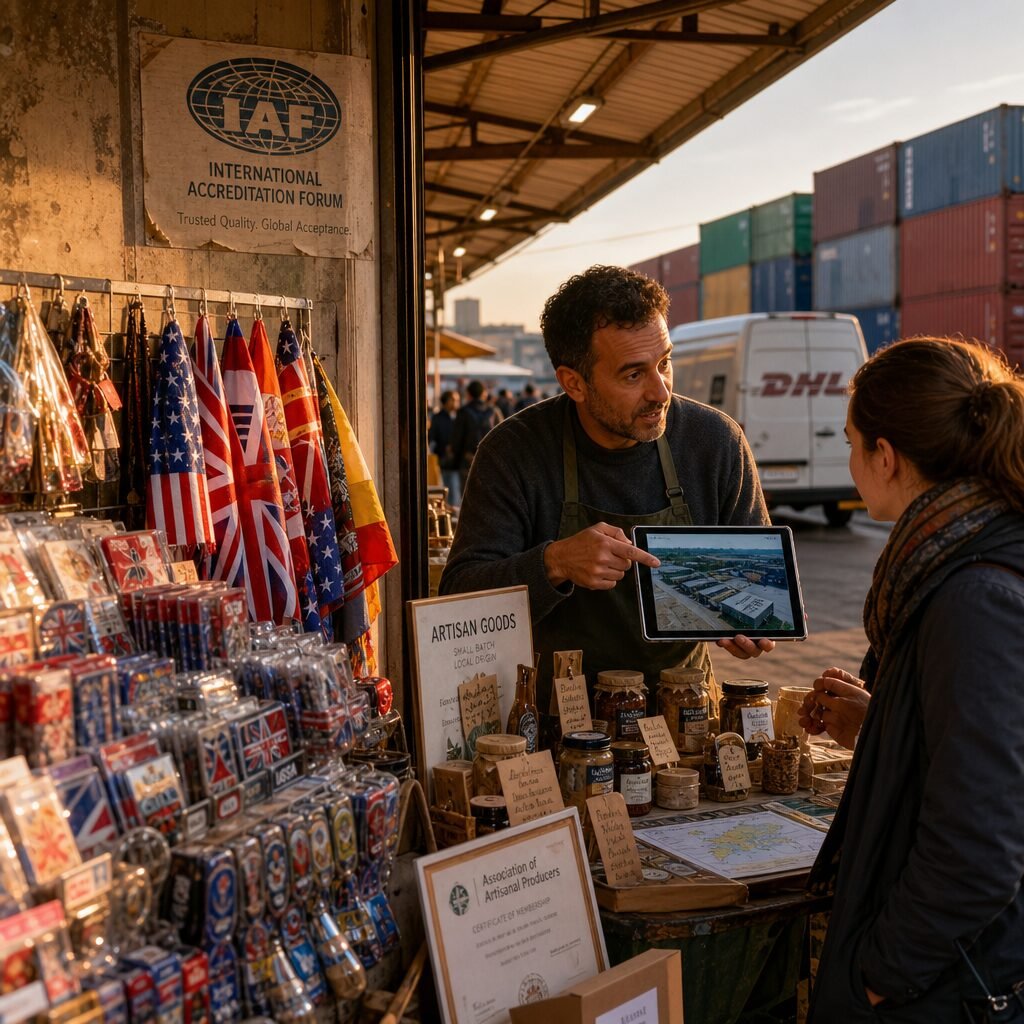
The International Mirage: When ‘Global’ Becomes a Sales Pitch
Brands and institutions invoke the word “international” the way chefs once used “artisan”: as a promise of better. But the promise can be hollow. Cheap international is a glossy veneer — foreign flags, a handful of stock phrases in another language, a menu that swaps a few ingredients and charges a premium. Quality international is the result of systemic investment: genuine cross-border supply chains, adherence to local standards and a willingness to be judged by foreign customers whose tastes and expectations differ.
Detecting the difference begins with suspicion. Ask what “international” means in context. Is it merely about sourcing a recognisable ingredient, or does the product or service incorporate the practices, regulations and expertise of the place it claims to represent? Often the cheap option will lean on superficial markers: a national flag on packaging, a celebrity endorsement, or the export-ready packaging without any trace of local nuance.
Signals of Authentic Quality
Provenance is not just a story — it’s a chain of verifiable facts. High-quality international offerings provide traceability: who produced it, where it was processed, which standards were applied and what independent bodies certified it. For goods, look for batch numbers, origin certificates and transparent supply-chain maps. For services — education, consultancy, tourism — look for accreditations from recognised foreign bodies and an actual presence abroad, not just a mailbox.
Language matters. True international quality uses local languages appropriately and accurately, not as decorative text. Menus, contracts and websites should be fully bilingual or multilanguage, not slapdash translations. Cultural framing is another signal: quality operators adapt offerings to local norms rather than forcing a one-size-fits-all template.
The Economics of Cheap vs Quality
Price alone is a blunt instrument. Cheap international often hides costs in corners that aren’t obvious: lower labour standards, flouting environmental rules, or cutting corners on packaging and safety. Quality international internalises those costs. It will be more expensive initially but retain value through durability, fewer after-sales problems and reduced reputational risk.
One useful metric is total cost of ownership. Ask about warranties, repair networks, import taxes, return policies and customer support across borders. A cheap international product might undercut on price today but cost far more in time, replacements and hassle — and it sometimes carries social costs that matter to ethically minded consumers.
Cultural Fluency as a Form of Quality
International quality is cultural fluency turned operational. That means suppliers and service providers understand and respect the small, often invisible local practices that make an offering credible. A restaurant claiming to serve “authentic” cuisine will source ingredients, preserve seasonal patterns and value technique; a university touting an international campus will host visiting faculty, facilitate student mobility and incorporate global perspectives into curricula.
Red flags include tokenism — a single foreign chef, a one-week cultural festival, a language class with no practical exchange opportunities. Genuine cultural fluency is persistent, woven into hiring, procurement and governance.
Distribution, Aftercare and the Long Tail
International quality extends beyond the point of sale. Consider logistics and aftercare as part of the product. Reliable distribution channels mean spares, accessories and expertise are available where you live. Aftercare — customer service, warranties, local partners — is what distinguishes lasting international brands from fly-by-night operations.
Ask practical questions: Where will I get repairs? Are replacement parts locally stocked? Is technical support available in my time zone and language? Quality providers publish service footprints; cheap ones will default to “email only” support or outsource to non-specialist centres.
Practical Checks You Can Do Now
1) Verify certificates and accreditations via issuing agencies. Never rely solely on badges in marketing material.
2) Seek user-generated evidence: reviews from customers in your country, independent tests, and multimedia proof of provenance (videos from producers, factory tours, interviews).
3) Check contractual clarity: return policies, warranties, import responsibilities and dispute-resolution forums. Quality international often uses familiar, enforceable legal frameworks.
4) Look for embedded local partners: logistics hubs, authorised service centres, or collaboration with recognised local institutions. Their presence is a strong proxy for commitment.
5) Test cultural authenticity by asking specific, rather than general, questions. Instead of “Is this authentic?” ask “Which region does this technique come from? Which local ingredient did you choose and why?” Cheap operations trip up on detail.
Beyond Goods: Internationalism as an Ongoing Relationship
True internationalism is not a label but a relationship. It involves sustained exchange, mutual accountability and adaptation. In a world where “international” can be bought as easily as a logo, discerning consumers and professionals must look for depth rather than décor. That means valuing transparency, cultural competence and long-term infrastructure over instant novelty.
If you treat international offerings as invitations to inspect — to follow the trail of people, practices and paperwork — you’ll find that quality tends to announce itself in ways cheapness cannot replicate: through continuity, fidelity to origins and the willingness to be judged by foreign standards and neighbours alike.